

Have you ever noticed that some parts of your skin appear darker than the rest? That’s hyperpigmentation, and it happens more than you might think. There are many possible culprits, from sun damage to acne scars to hormonal changes. And though it’s typically not harmful, the condition can leave your skin looking uneven and curb your confidence. The good news? Hyperpigmentation is a pre-reversible condition that can be managed. In this blog, we’ll break down the primary causes and share the best treatments for hyperpigmentation.
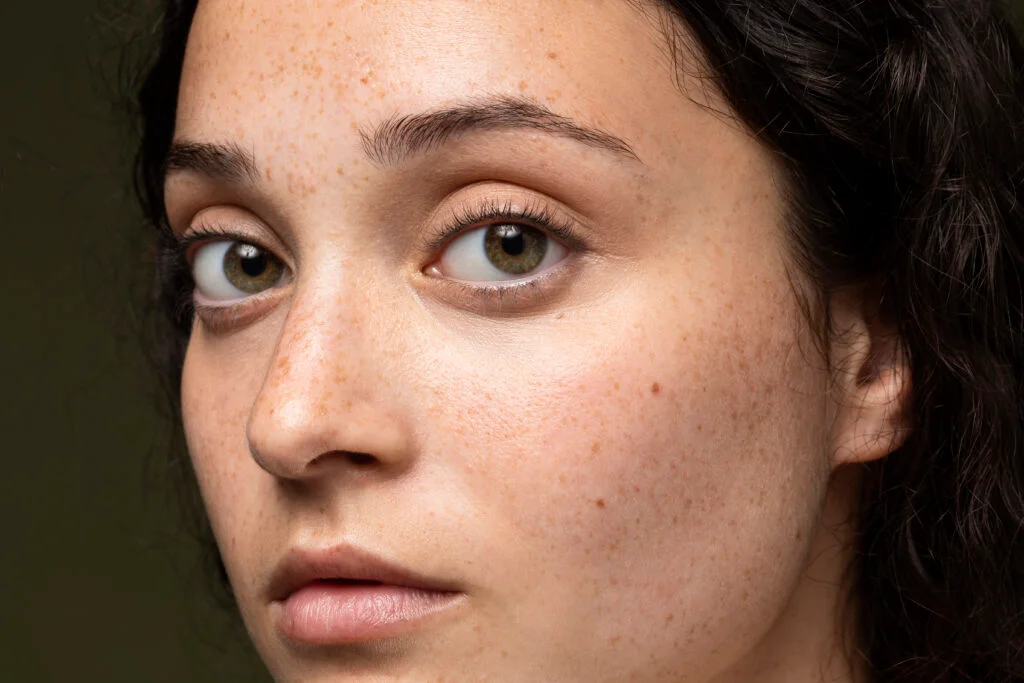
What is Hyperpigmentation?
Hyperpigmentation occurs when certain areas of the skin produce more melanin than usual, resulting in discoloration. It can appear on the face, hands, arms, or any part of the body exposed to the sun or injury.
The main types include :
Sunspots (age spots): Triggered by UV exposure.
Melasma: Hormonal pigmentation, often linked to pregnancy or contraceptives.
Post-Inflammatory Hyperpigmentation (PIH): Dark spots that follow acne, cuts, or skin irritation.
Difference Between Hyperpigmentation And Dark Spots
Causes Of Hyperpigmentation
- Sun Exposure
UV rays are the leading cause of pigmentation. Without sunscreen, melanin production spikes, leading to sunspots. - Hormonal Changes
Fluctuations in hormones, especially in women, can trigger melasma and make pigmentation harder to manage without targeted treatment. - Skin Trauma
Acne scars, eczema, or even small cuts may leave behind dark marks. - Medications and Health Conditions
Certain drugs and conditions, like Addison’s disease, can darken skin patches. - Aging
As skin matures, melanin distribution becomes uneven, often requiring the best treatments for hyper pigmentation to restore balance.
Prevention and Daily Care
Even the best treatments for hyper pigmentation won’t be effective without proper care. Here’s how to prevent recurrence:
- Always Use Sunscreen: SPF 30 or higher daily, indoors and outdoors.
- Avoid Picking Skin: Popping pimples or scratching wounds worsens pigmentation.
- Introduce Actives Slowly: Overuse of retinoids or acids can backfire.
- Eat Antioxidant-Rich Foods: A healthy diet supports glowing skin.
The Best Treatments for Hyper Pigmentation
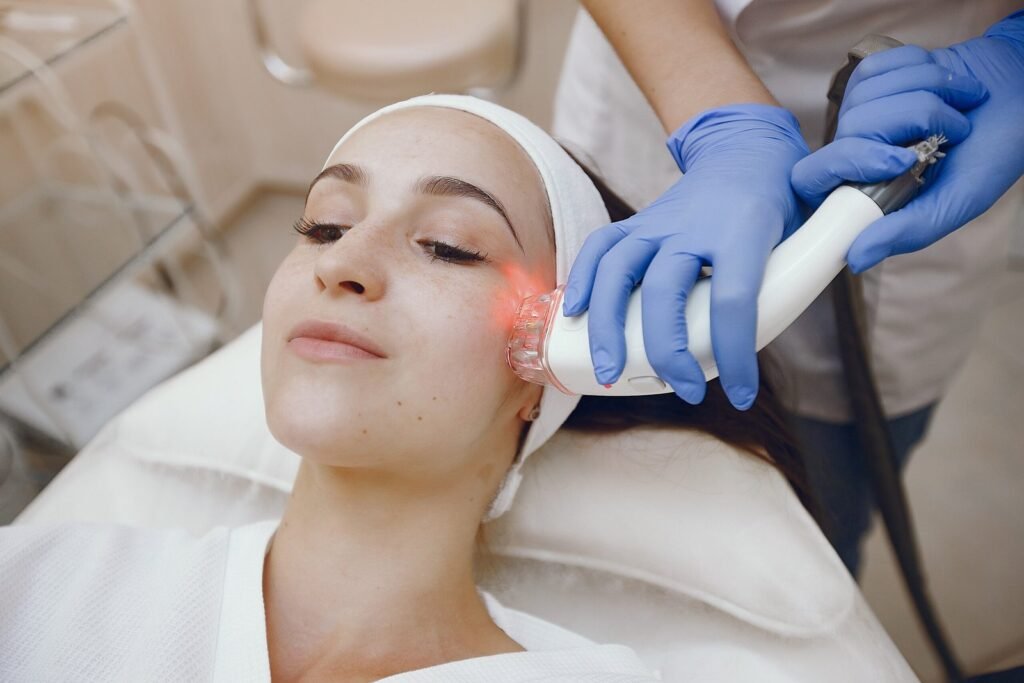
Laser therapy uses focused light to break down excess melanin and resurface skin. It treats dark spots, melasma, and post-acne pigmentation effectively. Results appear in a few sessions, but expert care is essential .
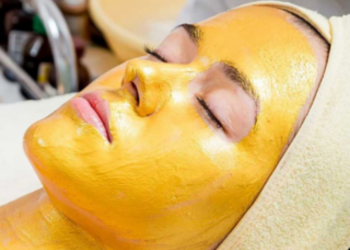
A medium-depth peel with retinoic and kojic acids, the Yellow Peel speeds up cell turnover and reduces melanin. It works well for melasma, sunspots, and acne marks. Safe for skin, it offers brighter, even-toned results with minimal downtime.

A non-invasive exfoliation treatment that uses fine crystals or a diamond tip to remove dead skin cells. It helps lighten superficial pigmentation, sun damage, and acne marks. Safe for most skin types, offers smoother, brighter skin with no downtime.
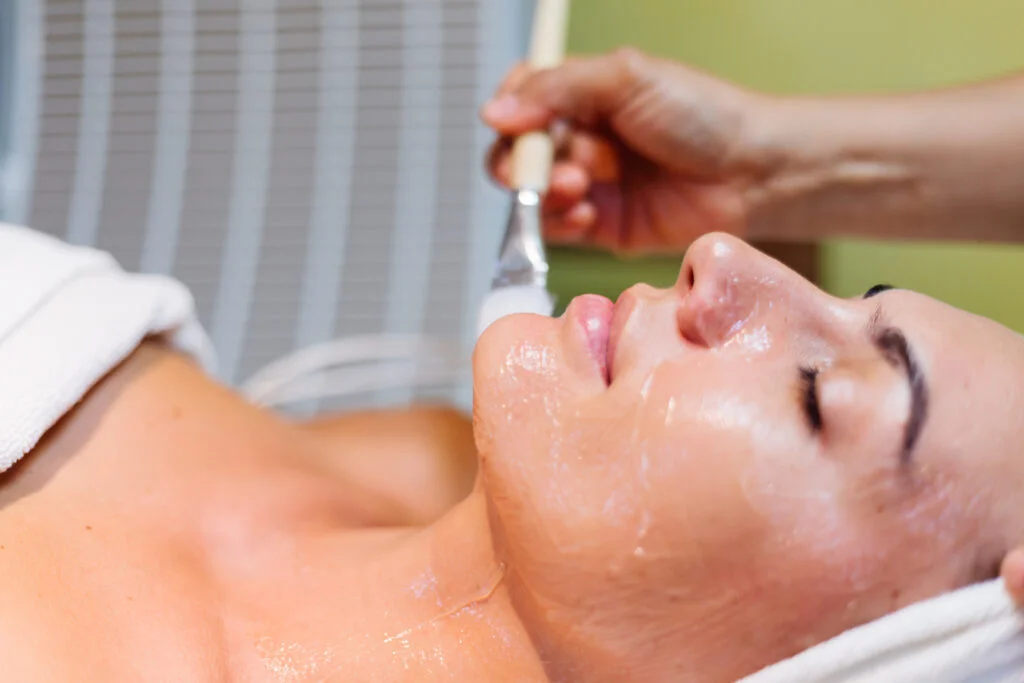
A gentle peel for superficial pigmentation, the Bullet Peel exfoliates dead cells and reduces melanin activity. With repeated sessions, it fades spots and improves skin clarity. Safe, low-downtime, and effective.
Hyperpigmentation isn’t harmful, but it can affect how you feel about your skin. The good news? With the right care and treatments, dark spots can be managed. Patience and sun protection are key to lasting results. At Queens by Dr. Umaira, we offer some of Mumbai’s best hyperpigmentation treatments. Book your free consultation, visit our website, and explore our services today.


