

Queens by Dr. Umaira is one of the top-rated Cosmetologist and Aesthetic Medicine Clinic in Andheri West (Mumbai) that offers latest trends and technologies in skin, hair, body, and beauty treatments.
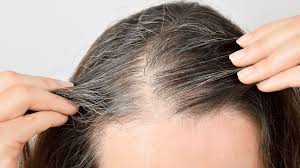
The causes for hair loss and best treatments. Hair loss is a widespread condition impacting millions of people globally, presenting as thinning hair, patchy bald spots or overall hair shedding.This occurs due to disruptions happening in the normal hair growth cycle where poor diet is also considerable. There are several known causes with also genetics playing a major role through androgenetic alopecia, which leads to hereditary hair thinning. Hormonal imbalances are also significant reasons for causing hair loss, especially in women during some phases such as pregnancy, menopause or thyroid dysfunction. Additionally, some medical conditions like alopecia areata(an autoimmune disorder) and scalp infections also cause noticeable hair loss. Other factors like stress, nutritional deficiencies (Iron and vitamin D mainly), certain medications and hairstyles that pull tightly on the hair also damages the hair and leads to hair loss.
When exploring causes for hair loss and best treatments, it is important to find the root cause for effective management. Treatments can vary widely from clinically approved options like a minoxidil and finasteride, which helps to improve hair growth and prevent further loss and also there are some advanced therapies such as platelet-rich plasma (PRP) injections that promote follicle regeneration. Home remedies also support hair health, for instance consider application of the onion juice and aloe vera massages. A natural way which can smooth the scalp and nourish hair follicles. Early consultation with a dermatologist is very important for getting precise diagnosis and to formulate a personalized treatment plan. This approach gives maximum chances of successful hair regrowth and maintenance.
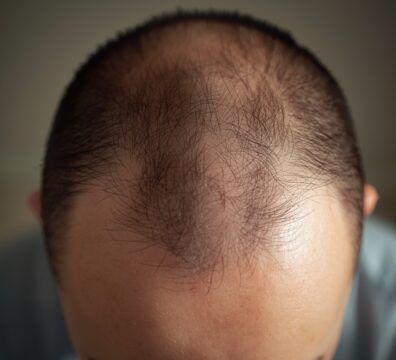
1) Take a clear history. Ask about family, recent illnesses, diet, medicines, and styling.
2) Do a scalp exam. Look for patterns, patches, redness, or scarring.
3) Perform simple tests. Pull test and hair count help gauge activity.
4) Order lab tests if needed. Check thyroid, ferritin (iron stores), vitamin D and hormone levels.
5) Consider scalp biopsy when diagnosis is unclear.
6) Photograph the scalp to monitor progress.
1) Consult a dermatologist for diagnosis.
2) Run targeted tests.
3) Start first-line medical therapy based on cause.
4) Correct nutrition and lifestyle factors.
5) Reassess at 3 months and 6 months with photos.
If the results are not noticeable or insufficient, then prefer PRP treatments, lasers, or transplant. Start long-term maintenance to maintain good hair health and to avoid hair loss. Hair loss is a common problem caused by many factors like genetics, hormonal changes, stress, nutrition deficiencies and some medical conditions. Androgenetic alopecia is the most frequent and common type, while thyroid disorders, pregnancy and menopause can trigger hormonal imbalances. Stress, low iron, and vitamin D deficiency in the body also weakens follicles and roots of the hair. Tight hairstyles and chemical treatments may worsen the condition. Effective treatments include minoxidil to stimulate hair growth and finasteride for male pattern baldness. PRP therapy, low-level laser treatment and micro-needling provides advanced options for stubborn cases. Correcting nutritional deficiencies with a good diet and improving scalp health are required for long-term results. Early diagnosis by a dermatologist provides the best chance for regrowth and prevents the hair getting further thinner.
Hair loss can stem from many causes, including genetics, hormonal changes, nutritional gaps, stress, and underlying medical conditions. Understanding the root cause is the key to selecting the right treatment. With options like minoxidil, finasteride, PRP therapy, laser treatments, and improved scalp care, most people can slow hair thinning and even achieve visible regrowth. Early diagnosis and consistent treatment deliver the best results, helping restore both hair health and confidence.
Struggling with hair fall? Don’t wait for it to worsen. Book a consultation with a certified dermatologist today to get a personalized treatment plan and start your hair regrowth journey with confidence.
Hair loss can occur due to genetics, hormonal imbalance, stress, poor diet, medical conditions, or excessive use of chemicals and heat on hair.
Yes, high stress can push hair into a resting phase, leading to increased hair fall. Managing stress, proper sleep, and relaxation techniques can help reduce it.
Lack of protein, iron, vitamins, and minerals can weaken hair roots. A balanced diet with fruits, vegetables, nuts, and proteins supports healthy hair growth.
Effective treatments include medical solutions (like doctor-recommended medications), PRP therapy, laser treatments, proper scalp care, and lifestyle changes.
Hair loss can be reversed or controlled if treated early. Identifying the cause and following the right treatment plan gives the best results.

© 2026, Queens by Dr. Umaira. All Rights Reserved.