
HIFU Vs Fotona 4D- As your skin begins to lose its firmness, you might find yourself asking, “Do I need a facelift?” Not really. Non-surgical skin tightening treatments have come a long way, providing ways to improve firmness, facial contours and overall skin quality without surgery. The two treatments often compared are HIFU and Fotona 4D.
If you are researching **HIFU VS Fotona**, it is important to understand the difference in how these treatments work. Both can help promote a firmer looking skin, but the technology, treatment approach and ideal candidates are not exactly the same.
What Is HIFU?
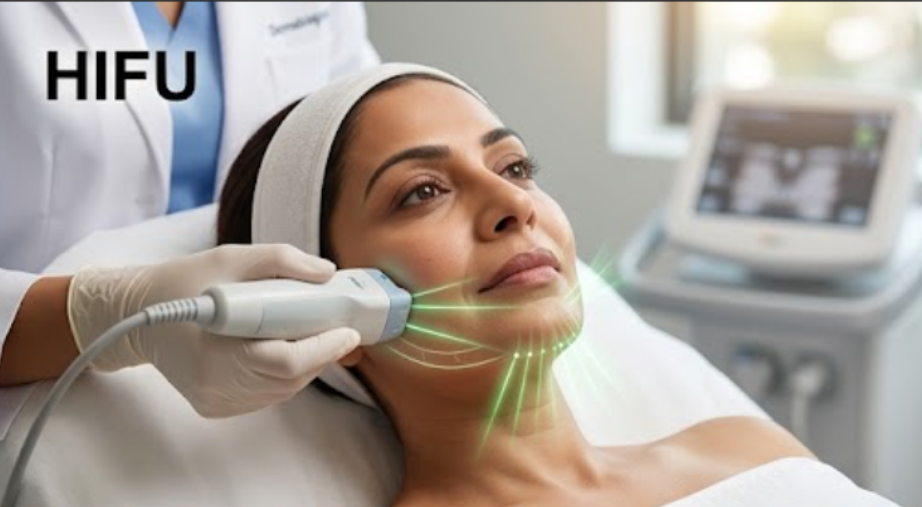
HIFU (High-Intensity Focused Ultrasound) directs ultrasound energy to a deeper level of the skin. The controlled energy creates thermal points beneath the surface, stimulating the body’s own collagen-remodelling process.
One of the main reasons why people opt for HIFU is its focus on lifting and tightening. It is commonly used around areas such as the jawline, cheeks, chin and neck where mild to moderate laxity may be evident.
The results usually come about gradually, rather than all at once. When collagen is being produced and remodeled, the skin can appear tighter and facial contours more sculpted.
Fotona 4D? What is it?
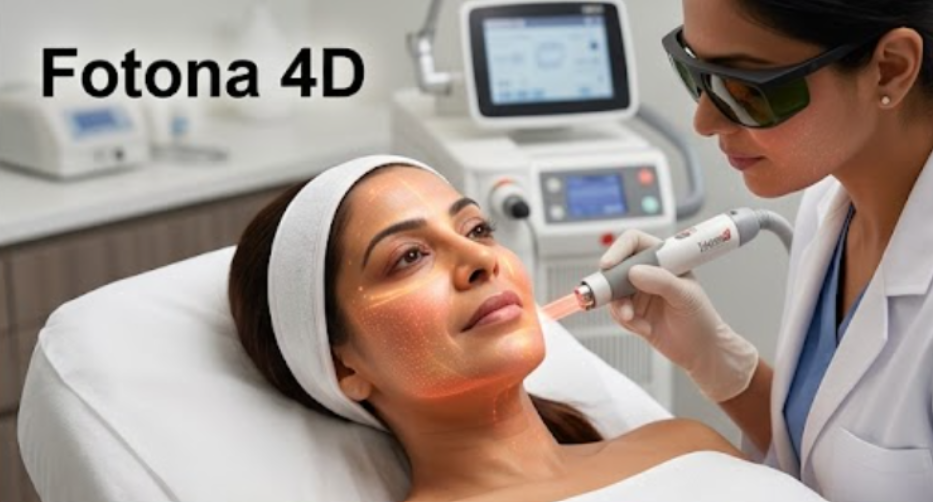
Fotona 4D is a laser-based facial rejuvenation technique that combines different treatment modes to target multiple aspects of facial aging. Depending on the treatment protocol, the laser works at different depths and can be used both on the inside of the mouth and on the outer facial skin.
Beyond just tightening, Fotona 4D can also be used to improve skin texture, increase collagen, minimize the appearance of pores, and give the face a more refreshed look.
Frequently the procedure is considered when a person wants overall facial rejuvenation rather than just skin laxity.
Difference between HIFU and Fotona?
The main difference between **HIFU VS Fotona** is the type of energy used and what the treatment is designed to target.
HIFU uses focused ultrasound energy and is generally associated with deeper tissue tightening and lifting. Fotona 4D is a more holistic strategy to skin rejuvenation with lasers that tightens the skin and improves its quality and texture.
This doesn’t mean that one is better than the other. It is determined by the condition of your skin, the laxity, the facial structure and what you want to improve.
HIFU potentially better for:
* Mild to moderate laxity of the skin * Softer Jawline * Falling under the lower face * Tightness in the neck
* Mainly people looking for a lifting effect.
Fotona 4D may be indicated for:
* Total facial rejuvenation * Slight sagging of skin * Rough skin * Wrinkles *
* Tired or dull looking skin
* Working on skin quality, as well as improving firmness.
What treatment lifts more?
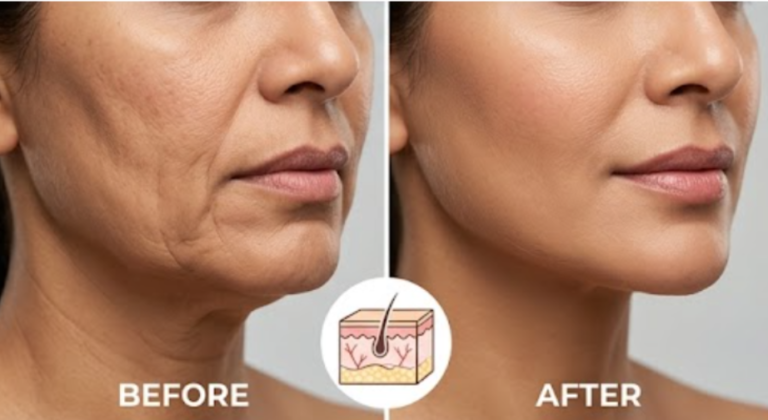
This is one of the most common questions when you compare HIFU and Fotona 4D. Answer depends on what you mean by “lift”.
If your primary concern is sagging and you are looking to reach to deeper tissues HIFU may be a better alternative. Its ultrasound energy is directed deeper into the layers associated with tissue firming.
In contrast, Fotona 4D is more of a holistic strategy. Instead of just concentrating on lifting, it can address a number of visible signs of aging at the same time. The result can be a smoother, firmer and more youthful look.
Neither treatment can produce the results of a surgical lift, especially in the presence of significant laxity of skin or tissue.
But What About Downtime?
They are both non-surgical procedures, but your experience may vary depending on the technology, settings and your own sensitivity.
Some people have a slight swelling, tingling or tenderness for a short period of time. Fotona 4D is usually associated with little to no downtime, although some temporary warmth, redness or sensitivity can occur.
It is important to have a consultation before treatment so that the practitioner can examine your skin and discuss what you can realistically expect.
Can You Have Them Both?
In certain situations, HIFU and Fotona 4D may be part of an overall plan for skin rejuvenation. But they shouldn’t be automatically lumped together just because they’re both non-surgical treatments.
Depending on your concerns your dermatologist or qualified esthetic practitioner can advise if one treatment is sufficient or if different technologies can complement each other.
Which One To Pick?
In the case of **HIFU VS Fotona**, there’s no one-size-fits-all winner.
If you’re mainly looking for more tightening and a more sculpted lower face or jawline, then choose HIFU. If you want a more comprehensive rejuvenation approach that includes skin tightening as well as improvements in texture and overall skin appearance, Fotona 4D might be worth considering.
The best treatment in the end is the one that fits your skin, facial anatomy, concerns and expectations. A professional assessment can help determine if HIFU, Fotona 4D, another treatment, or a combination approach makes the most sense for you.