
Skin tightening treatments have been a buzzword in the esthetics world and **XERF skin tightening** is one of the newer treatments gaining attention. It’s being marketed as an option for those who want tighter-looking skin, without going straight to an invasive procedure.
But is it right for everyone just because it’s popular online? No, not necessarily. Like any esthetic treatment, XERF needs to be considered in the context of your skin, concerns and expectations.
What is XERF Skin Tightening?
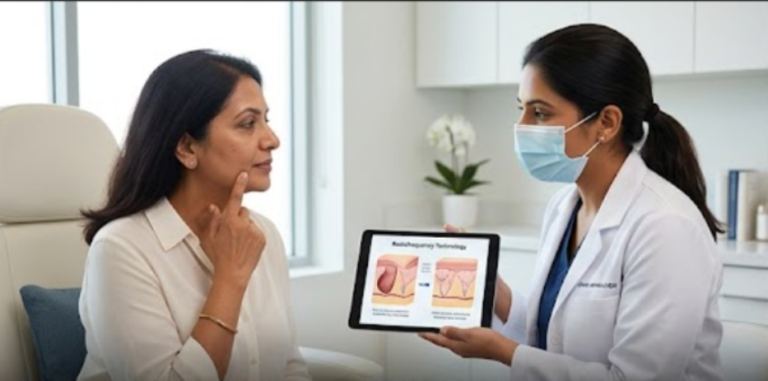
XERF is a radiofrequency skin treatment that delivers controlled energy to the skin. Radiofrequency technology has been used for years in esthetic medicine but the devices use different technologies and treatment approaches.
Radiofrequency treatments are based on the principle of delivering energy to specific layers of tissue. This controlled heating can lead to changes in the skin and help remodel collagen over time.
**XERF skin tightening** is for people who want to improve the appearance of lax skin and have a more defined look to the skin without surgery. Treatment protocols and methodology will vary depending on the area of treatment and skin of the person.
Why Did It Become So Popular?
Part of the interest is because of a growing demand for non-surgical and long recovery time treatments.
More and more people are looking for ways to treat the signs of early aging while still looking natural. Skin-tightening treatments aim to improve the overall quality and firmness of the skin, rather than dramatically changing facial features.
Social media has also made esthetic treatments far more visible. Before and after photos, short treatment videos and personal stories can make a procedure look appealing. But the full story is seldom found in online content.
Your skin may react differently than someone else’s and pictures don’t always show the whole treatment process or limitations.
What Problems Does It Solve?
Radiofrequency-based treatments are generally indicated for laxity and aging concerns. Depending on the area being treated, someone may want to improve the appearance of:
* Skin laxity, mild to moderate
* Small lines
* Loss of tightness Certain loose-looking areas of skin
* Skin texture and overall skin quality
The treatment is not intended to produce the same effect as a surgical facelift. More a choice for people wanting change slowly, rather than a dramatic change.
What Takes Place During a Treatment?
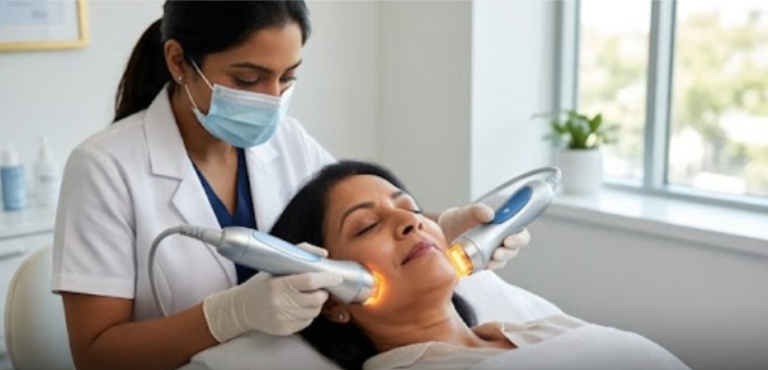
The treatment process begins with a site assessment of the area to be treated. Then a practitioner can guide you as to the right settings and what you can realistically expect.
During the procedure, the device is placed on the skin delivering radiofrequency energy. Treatment may produce feeling of heat or warmth. It may feel different depending on the area being treated and your sensitivity.
You might have some temporary redness or warmth but the recovery experience is different for everyone.
Your practitioner will give you specific aftercare instructions depending on the treatment performed.
When will I see results?
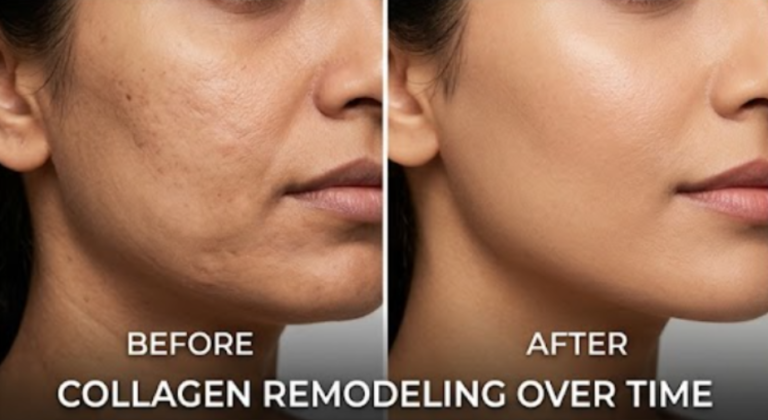
One important thing to understand about **XERF skin tightening** is that the results might not be immediate.
Radiofrequency treatments are associated with processes that happen over time, such as collagen remodeling. Hence, the shift in firmness and skin appearance could be more gradual and not immediate after one session.
The number of recommended treatments can depend on variables such as your age, degree of skin laxity, treatment area and overall condition of your skin.
Be wary of anyone who promises you the same results or who guaranties dramatic tightening after one session.
Is XERF Right For Everyone?
There isn’t a universally applicable esthetic treatment.
Before treatment, consider your skin type, medical history, previous procedures, medications, and the area being treated. It is especially important to get a professional evaluation if you already have a skin condition or have had another cosmetic procedure recently.
A consultation also gives you a chance to talk about what you expect. Sometimes there may be another treatment that is better suited to the concern you are trying to address.
XERF vs Surgical Intervention
One of the reasons why people look into **XERF skin tightening** is because it is a non-surgical way to firm the skin. But it is not meant to be a substitute for a surgical facelift.
Surgery can be considered for more significant tissue laxity and structural changes. When a person wants a less invasive approach and more gradual results, non-surgical treatments are usually considered.
Which one is right depends on how much leeway you have and what kind of change you are looking to make.
Then should you try it?
If you have mild skin laxity and are seeking a non-surgical treatment, XERF may be a good option to discuss with a qualified esthetic professional. But don’t pick it because your social media feed is full of it.
I am concerned about the side effects of the treatment. A proper consultation can help you determine whether the technology is right for your skin, and if another treatment might give you a better outcome.
Conclusion
The rising popularity of **XERF skin tightening** is indicative of a larger trend toward non-surgical esthetic procedures that offer gradual, subtle, natural-looking improvements over time.
It can be an interesting option for those worried about early skin laxity but expectations need to be realistic. The technology is not the only important thing, the quality of the treatment, proper device settings and the experience of the practitioner are equally important.
Before you book in, have a professional assessment, know what results to expect and ask about possible risks and aftercare. The best esthetic treatment isn’t necessarily the one everyone is talking about online, it is the one that is right for your individual skin.