
GHK-Cu Copper Peptides Skincare has moved on from basic moisturizers and cleansers. Today, as much attention is being paid to actives that support the skin’s natural repair processes as to traditional anti-ageing actives. One ingredient that is growing in popularity is GHK-Cu, also known as a copper peptide.
GHK-Cu is a small peptide that binds with copper ions and is naturally found in the human body. For this reason, it has been studied for its role in tissue repair and skin regeneration and has found a place in modern skincare and haircare formulations.
But what are ** GHK-Cu copper peptides ** and how can they benefit your skin and hair?
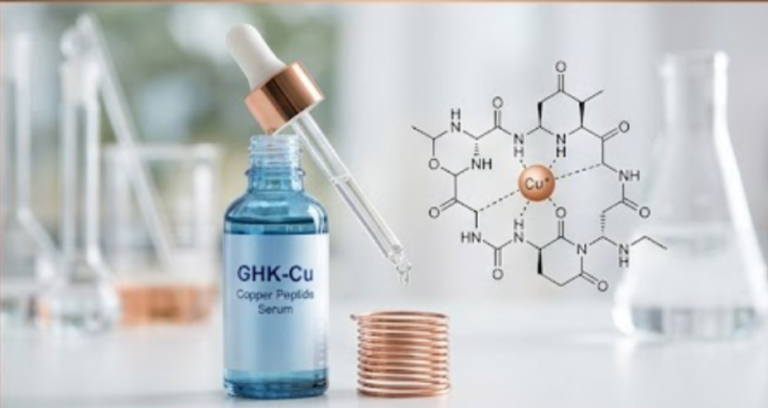
What are Copper Peptides GHK-Cu?
GHK-Cu = glycyl-L-histidyl-L-lysine-copper complex GHK is a naturally occurring peptide and copper is an essential trace mineral involved in many biological processes .
Naturally occurring levels of GHK may decrease with age. Therefore, GHK-Cu has attracted interest in its potential role in supporting processes involved in skin repair, collagen production, and tissue regeneration.
Remember that outcomes can differ depending on formulation, concentration, method of delivery, and individual skin/hair condition.
How does GHK-Cu work on the skin?
One of the most common reasons **GHK-Cu copper peptides** are used in skin care is because they help the skin to repair and remodel itself.
GHK-Cu may interfere with the signaling of the production of the extracellular matrix. The extracellular matrix provides the structural support of the skin and contains components such as collagen and elastin.
GHK-Cu can help support these processes and improve the appearance of skin that has become thinner, less firm, and more prone to fine lines.
1. Promotes Collagen Production
Collagen makes up much of the firmness and structure of the skin. Fine lines and loss of elasticity are the result of declining production as we get older.
GHK-Cu can stimulate the processes of collagen production, allowing the skin to look firmer and more resilient over time.
2. Improves Skin Texture
Regular use of copper-peptide formulations may make skin appear smoother. This can be especially useful when the aim is to improve the overall quality of your skin, rather than targeting just one specific concern.
3. Assists Skin Repair
GHK-Cu has been studied for its wound healing and tissue repair. In cosmetic skincare this has created interest in its ability to boost the skin’s natural healing processes.
However, GHK-Cu cosmetic products should not be considered a substitute for medical wound care.
4. May Help With Signs of Aging
The changes in collagen and the skin’s support structures are associated with fine lines, uneven texture and loss of firmness. Supporting these pathways may help GHK-Cu to contribute to a healthier, more youthful appearance.
Copper Peptides GHK-Cu for Hair
But copper peptides aren’t only for the skin. Their potential impact on the hair follicle environment is also being studied in hair and scalp products.
There is some research on copper peptides and hair growth/follicle activity, but the evidence is not as strong or well-established as it is for some traditional hair-loss treatments.
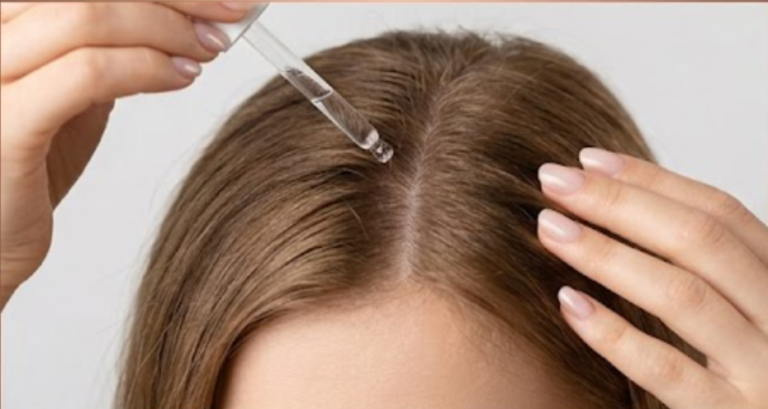
1. Assists in Keeping Scalp Healthy
A healthy scalp is important for normal hair growth. GHK-Cu may also assist in the processes of tissue repair and the overall health of the scalp.
2. May Improve Hair Follicle Function
Preliminary research and laboratory work has indicated that copper peptides might influence pathways involved in hair follicle activity. That is one reason why they are included in some hair-care and scalp formulations.
However, these are not to be seen as a sure-fire cure for hair loss.
3. May Enhance Hair Appearance
Copper peptide-based products support scalp and follicle health, which can contribute to healthier looking hair over time. A lot depends on what causes the thinning or shedding in the first place, and what happens in reality.
What Are The Benefits Of Copper Peptides?
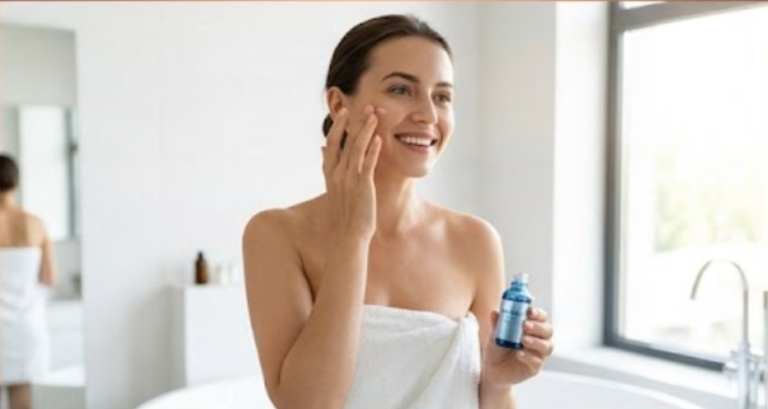
GHK-Cu comes in multiple forms, including serums, creams, scalp products, and professional formulations.
Skin Care Copper peptide serum can typically be applied after cleansing and before moisturizing, according to the product instructions. If you’re introducing a new active ingredient, start with a small amount and see how your skin reacts.
For hair and scalp problems: Use the product according to the directions on its own label. If you are experiencing a persistent problem of hair falling out or thinning, it is recommended to consult a dermatologist for a check-up. This is because there could be underlying issues like hormonal imbalances, nutritional deficiencies, scalp conditions or even genetics that may require specific treatment.
Who Is a Candidate for Copper Peptides?
Most people do fine with well-formulated copper peptide skincare, but any active ingredient still has the potential to irritate. If you have sensitive skin, ease into the product rather than introducing a bunch of new actives at once.
It’s also worth looking at the full formulation rather than just the ingredient name. The concentration, delivery system and other ingredients can affect the performance of a product.
The Bottom Line
**GHK-Cu copper peptides** are generating interest as they may help support a number of processes associated with healthy skin and hair including tissue repair, collagen production and the extracellular matrix of the skin.
They may also help to improve firmness, texture and the appearance of fine lines on the skin with regular use. In hair, they show promising potential role, but need a lot more research before they can be considered a proven treatment for hair loss.
If your goal is healthier skin or stronger looking hair, copper peptides can be part of a larger routine. A dermatologist can help you decide if they’re right for your particular concerns, and if other treatments might work better.