
Anti Aging is a natural process and the skin changes with us. Over time, you may notice fine lines becoming more prominent, a gradual loss of skin tightness, and the development of uneven pigmentation or dull complexion. These changes are not wrong, but many people choose to improve the look and feel of their skin.
This is where **Anti-Aging Treatments** can be of benefit. Dermatologists often recommend treatments based on a person’s skin condition, concerns and desired outcome, rather than a single “miracle” procedure.
What happens to skin as we get older?
The aging process has a number of effects on the skin. Gradually the production of collagen and elastin diminishes and this can lead to loss of firmness. The process of cell renewal can also decline, resulting in the skin appearing less smooth or radiant.
Visible signs of aging can also be accelerated by repeated facial movements, sun exposure, pollution and lifestyle factors.
That’s why an anti-ageing plan has to be personalized. If someone is mainly concerned with pigmentation, they may need a different approach to someone who is looking to improve fine lines or skin laxity.

Long-Term Skin Health Retinoids
When thinking about **Anti-Aging Treatments**, one of the first things that come to people’s mind is topical retinoids. Retinoids are derivatives of vitamin A that help with skin cell turnover and are commonly used in dermatology.
They can ultimately help to improve the look of fine lines, uneven texture, and some types of pigmentation. But retinoids may lead to dryness or irritation, especially in the beginning.
A dermatologist can recommend the right type and strength and explain how often it should be used. Sun exposure is also a key contributor to visible skin aging, so daily sun protection is a must.
Chemical Peels for Uneven Texture and Tone
Chemical peels use special solutions to remove controlled layers of skin. Depending on the type and strength of the peel, they can help with concerns such as dullness, uneven pigmentation, mild acne marks and rough texture.
Not all peels are suitable for every skin type. If you choose a strength that’s not right, or use peels too often, you can experience irritation or changes in pigmentation.
Professional assessment is therefore important especially for those prone to post-inflammatory pigmentation.
Lasers and Light Treatments
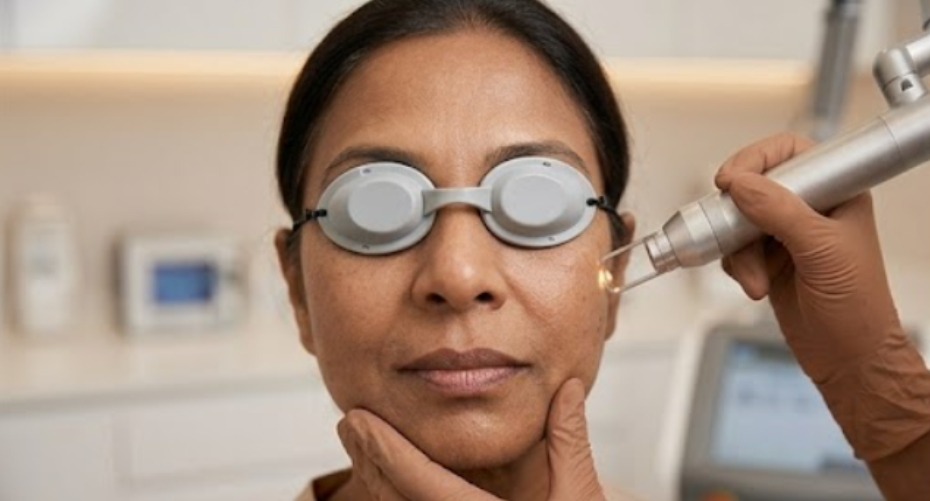
Laser and light-based procedures have become a mainstay of modern dermatology. The treatment chosen depends on what needs treating as different devices are used to treat different concerns.
Some laser treatments can be used to improve the appearance of pigmentation, sun damage, uneven texture and signs of aging. Some procedures work by stimulating collagen remodeling and some are primarily aimed at unwanted pigmentation or vascular issues.
As these are very different types of treatments, the name of the device is not what determines the outcome. The skin must be examined by a dermatologist and the technology and settings determined as such.
Collagen Stimulation with Microneedling

Microneedling uses a specialized device to create controlled micro-punctures in the skin. The process aims to stimulate the skin’s natural healing response and collagen production.
It can be used for fine lines, acne scars, uneven texture and overall skin rejuvenation. Depending on the person’s concerns, microneedling can also be combined with other treatments.
There may be some temporary redness or sensitivity afterward so good aftercare is important. Always performed by a trained professional with the correct equipment and technique.
Botox for Wrinkles of Expression
Botulinum toxin treatments (better known as Botox) are not the same as treatments that are targeted to the texture of the skin. They temporarily diminish the activity of some muscles which cause the formation of some expression lines.
Commonly used for areas such as forehead lines, frown lines between the eyebrows and crow’s feet.
It’s not about getting rid of all facial movement, per se. A skilled practitioner can use the right amount to smooth targeted lines while still allowing for natural-looking facial expressions.
Facial Volume Restoration with Dermal Fillers
We all lose facial volume as we get older, which can make us look tired or less defined. In some locations dermal fillers can be used to replace lost volume or improve facial contours.
Fillers add volume, unlike Botox, which relaxes muscles. Depending on the product and the area being treated, they may be used around the cheeks, lips, chin or other areas of the face.
Fillers involve injections and can have complications so should only be performed by an appropriately qualified medical professional.
Which Anti-Aging Treatment Is Best for You?
No treatment is a one-size-fits-all. The best approach depends on your age, skin type, pigmentation, level of sun damage, facial structure and general health of your skin.
In some cases, the best treatment is a combination of treatments, given at the right intervals. In some cases, a simple skin care routine with sunscreen and an active ingredient that is appropriate may be enough.
Before deciding what if anything needs treating, your skin will be assessed when you have a consultation with a dermatologist.

Prevention still matters
Professional **Anti-Aging Treatments** can address specific concerns, but daily skincare is still important. Broad spectrum sunscreen, regular moisturisation, gentle cleansing and appropriate active ingredients can help protect the skin over time.
Healthy lifestyle habits are important too. Getting enough sleep, eating a healthy diet, exercising regularly and not smoking can all help to support overall skin health.
Conclusion
Today, modern dermatology offers many treatment options for the visible signs of aging, including topical retinoids, chemical peels, laser therapies, microneedling, Botox, and dermal fillers. The best choice depends not only on your age but also on your skin type, concerns and goals.
At Queens by Dr Umaira, Mumbai, we believe that the first step of the right anti-ageing regimen is knowing your skin. We collaborate with clients to explore the right treatment options based on their concerns and desired results, emphasizing personalized care and natural-looking outcomes.
Instead of choosing the most extreme treatment, choose an evidence-based treatment plan that meets your unique needs. When done under professional supervision and combined with a consistent skincare routine, **anti-ageing treatments** can be a part of a long-term plan to keep skin healthy and youthful-looking.