

Pigmentation on the lips is a very common issue, but it is often treated differently from pigmentation on the rest of the face. The skin on the lips is the thinnest and most delicate on the body, so aggressive scrubs, strong acids or random home remedies can sometimes do more harm than good.
If your lips have gradually turned darker or have developed uneven patches, the first step is to understand what may be causing the change. Once the cause has been identified, a suitable method can be used to improve the look of the lips, whilst still protecting the sensitive skin.
What is Lip Pigmentation?
There’s not always one reason for darker lips. The most common cause is sun exposure, since UV radiation can stimulate the production of melanin. Regular smoking and use of tobacco can also lead to changes in the color of the lips.
Other potential triggers include frequent lip licking, dryness, irritation from certain cosmetics or lip products, and repeated inflammation. Some people naturally have a lot of pigment around the lips, but it can also be caused by hormonal changes and certain medications.
That’s why you should not treat **Lip Pigmentation** with a strong lightening product. What works for one person may not be right for another.
Protecting Your Lips from the Sun
Sun protection is one of the easiest steps to add into your routine. Just like the skin on your face, lips are exposed to UV radiation every day.
Use lip balm with SPF and reapply as needed especially if you are spending a lot of time outside. Wearing a hat or seeking shade will provide extra protection.
If you are getting pigmentation from repeated sun exposure, it’s difficult to sustain the results if you are treating it but not improving your daily sun protection.
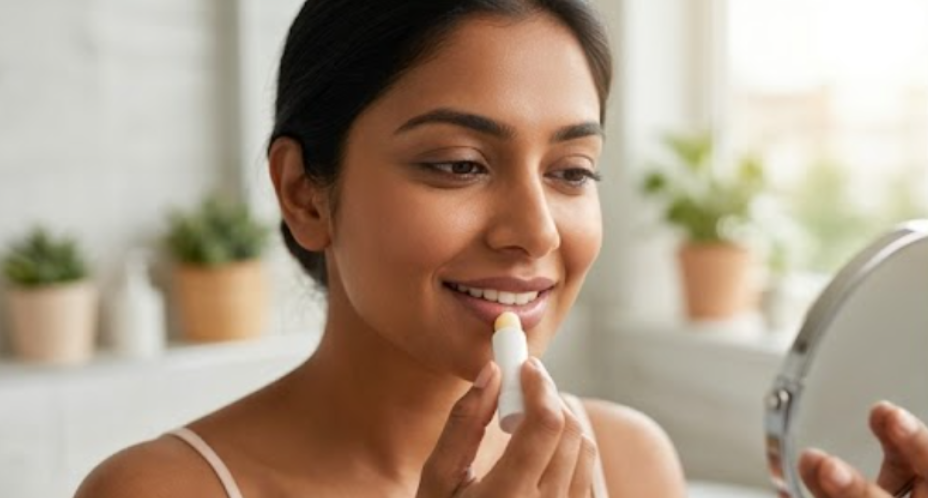
Moisturize your lips
Dry, cracked lips are easily irritated and repeated irritation can lead to uneven coloration. Moisturizing the lips can help support the skin barrier and reduce unnecessary dryness.
Pick a simple, healing lip balm and reapply often. If you notice a particular lipstick, balm or gloss causes your lips to burn, itch or feel continually dry, try discontinuing use of it and see if your lips improve.
Don’t keep picking at the flaky skin or biting it off. You may think you are removing the dark or dry layer, but this may increase irritation and prolong the problem.
Use Caution With Home Remedies
Internet is full of recommendations for dark lips like lemon juice, baking soda, toothpaste and other DIY remedies. But these ingredients are potentially irritating, particularly when applied over and over on the delicate skin of the lips.
Reducing irritation can cause inflammation and possibly make pigmentation more prominent rather than reducing it.
Same for aggressive lip scrubs. As a general rule, it’s better to start gently with your skincare, rather than trying to scrub the pigmentation away with repeated exfoliation.
Lip Pigmentation: Professional Procedures
If you are doing everything right with your lip care and pigmentation still occurs, it may be time to seek professional treatment. A dermatologist can examine your lips, consider possible causes and decide whether treatment is appropriate.
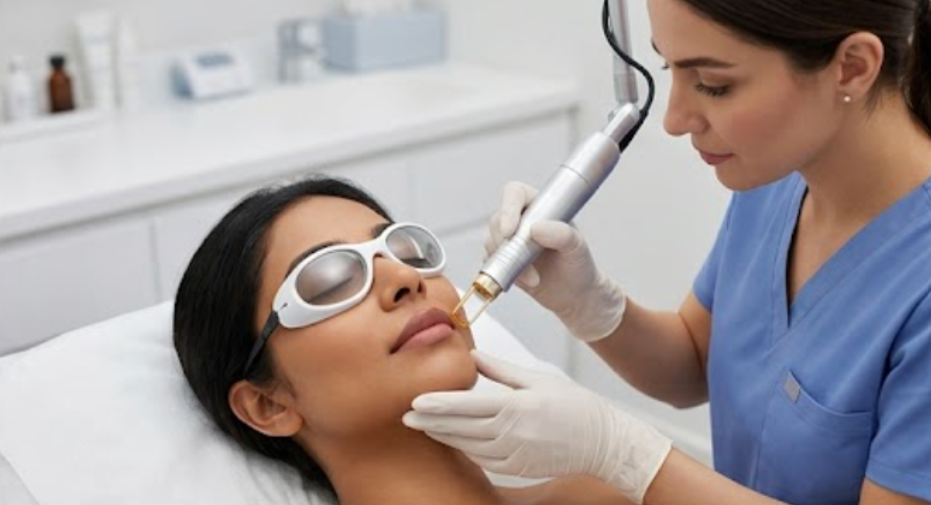
Treatment will vary based on the type and severity of the pigmentation and may include professionally chosen topical products or certain procedures. There are also clinics that provide laser treatments or cosmetic pigmentation, although not everyone is suitable.
Lips are very sensitive and need special care as problems can occur due to too much heat, irritation or incorrect settings during treatment. Therefore treatment should be chosen and performed by a properly trained professional.
Lip Blush?
Lip blush is a cosmetic tattooing procedure that enhances the color and definition of the lips. It is sometimes used by people who want their lips to look a bit more even and naturally tinted.
However, lip blush does not address the underlying cause of **Lip Pigmentation**. And this is not for removing unwanted pigment but rather for adding the pigment. So if dark or uneven lip color is your biggest concern, this may not be the right choice.
A consultation is important before you think about this kind of procedure.
How Long Before You Get Better?
Pigmentation doesn’t typically vanish overnight. The length of time it takes to get better depends on what caused the problem, how long it has been there and the treatment used.
If irritation is part of the problem, an important first step may be to remove the trigger and allow the lips to heal. If the pigmentation has been present for a long time, you may have to get professional treatment.
It’s more productive to be consistent than to jump from product to product.
When to Consult a Skin Specialist

If your lip color changes suddenly, becomes much darker, develops an unusual patch or if there is pain, swelling, scaling or other symptoms it is worth getting it checked.
A dermatologist can tell whether it’s just pigmentation or another skin condition or underlying factor that needs to be managed.
It is especially useful if you have already tried several products without improvement, as professional guidance can help.
The Bottom Line
While exploring ways to manage lip pigmentation, I looked into the treatment options at Queens by Dr. Umaira in Mumbai. The team explained the importance of identifying the cause of pigmentation before choosing a treatment. I found their guidance helpful, especially when understanding why different skin concerns require different approaches.
The staff was polite and explained the available options and the importance of proper lip care. I also learned that daily sun protection, regular moisturising, and avoiding irritating products can help maintain healthier-looking lips. For persistent pigmentation, consulting a qualified dermatologist can help determine whether professional treatment is appropriate.
Overall, the experience helped me understand the importance of a personalised approach rather than trying harsh bleaching products or unverified home remedies.