
Chapped lips, Dry, tight and peeling lips can be uncomfortable, especially when they begin to crack or get sore. **Chapped lips** are very common and can happen any time of the year. The fine skin on your lips can struggle to stay hydrated in cold weather, dry air, sun exposure and even some everyday habits.
The good news is most cases get better with a few simple changes. The trick is to protect the lips, but give enough time for the skin barrier to recover.
Why are my lips chapped?

Your lips have much thinner skin than the rest of your body and don’t have as many oil-producing glands. This makes them more prone to drying out.
One of the most obvious triggers is weather. Cold weather, dry air and brisk winds can sap moisture from the lips quickly. Too much time in air conditioned rooms can have a similar effect.
Other everyday factors can also be at play. Frequently licking your lips may provide some relief, but saliva evaporates quickly and can leave the lips even drier. Biting or peeling off flaky skin can also cause small injuries and prolong irritation.
Some people can be irritated by certain lipsticks, lip balms, toothpaste ingredients or fragranced products. Dehydration and certain medications can also cause chronic dryness.
Do Not Lick or Peel Your Lips
Licking your lips can become a reflex action when they feel dry. The bad news is, it can result in a cycle of short-lived moisture and more drying.
The same with peeling off loose skin. It is tempting to remove flakes, especially when applying lipstick, but this can cause bleeding and irritation.
Instead, reach for a protective lip balm whenever your lips feel dry. It is generally more effective to allow the skin time to heal, rather than repeatedly stripping away the damaged surface.
Picking The Right Lip Balm
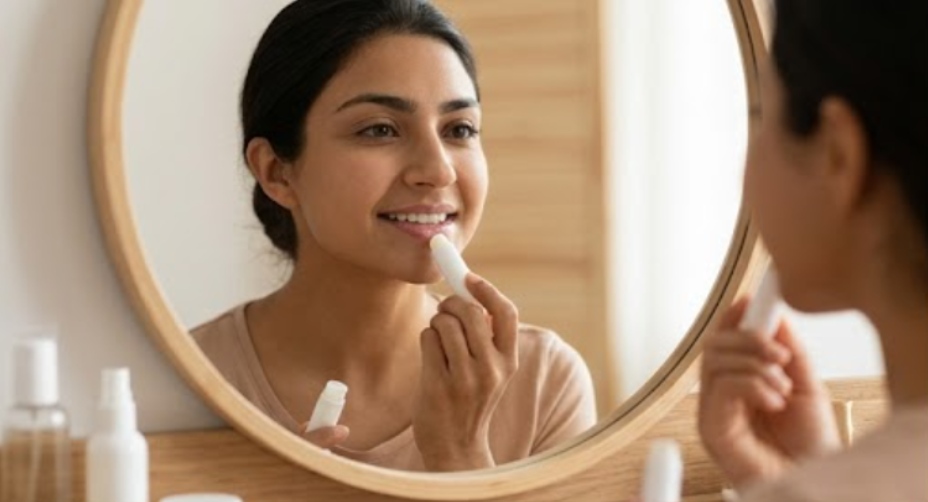
Every lip balm is not created equal. For **chapped lips** search for a simple formula that aims to hydrate and protect the skin barrier.
Ingredients such as petrolatum, ceramides, shea butter or other moisturizing and occlusive ingredients can help reduce the loss of moisture. Apply liberally several times daily and at bedtime.
If a balm burns, stings, or irritates, discontinue use. Just because something feels refreshing, doesn’t mean it’s healing your lips.
It is recommended to use a lip balm with SPF for daytime use, especially if you are outside. Sun exposure can also cause the lips to become dry and irritated, and can also cause long-term changes in the lips.
Avoid aggressive exfoliation
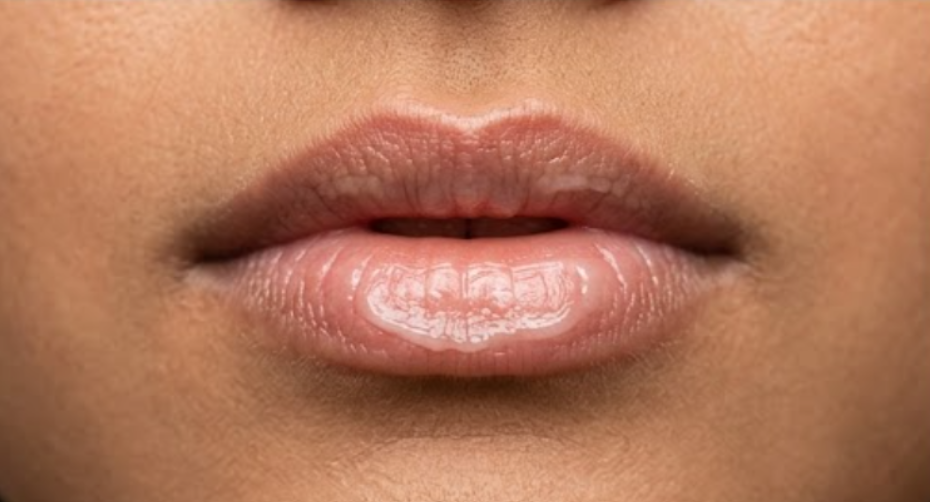
Scrubbing flaky lips can seem like a quick fix, but it can actually make the problem worse. Physical scrubs can cause little areas of irritation, particularly when the skin is already cracked.
Also, stay away from using facial acids, retinoids or other strong active ingredients directly on badly inflamed lips unless they have been specifically recommended by a dermatologist.
Once lips are healed, they typically only require tender care to remain smooth. You don’t typically need to exfoliate aggressively.
Drink Up (But Don’t Depend Only on Water)
While drinking more water on its own isn’t a cure-all for dry lips, getting enough fluids is good for your health overall.
If your lips are still dry, even if you are drinking enough fluids, check other possible causes like weather, indoor heating or air conditioning, lip products, and lip-licking habits.
If the air is especially dry, a humidifier can help make the air more comfortable for your skin and lips.
Protection for the Lips During the Day
Small changes can make a difference when you’re trying to prevent recurring **chapped lips**.
Apply a protective lip balm before you go outside. If it’s windy or cold, cover your mouth with a scarf to reduce direct exposure. When your lips start to feel dry, don’t lick them. Reapply your balm.
If you wear long-lasting or matte lip products regularly, watch out for whether they make your lips feel unusually dry. You may find you need to use them less often or apply a moisturizing balm underneath.
When should I visit a dermatologist?
Most dry lips will recover with proper attention. But chronic or recurring dryness is worth a second glance.
See a dermatologist if your lips keep cracking even with regular moisturizing, if the corners keep opening up, or if it’s accompanied by severe redness, swelling, itching, bleeding, or scaling.
In other cases, persistent symptoms may be linked to contact allergies, eczema, dietary deficiencies, infections, or other skin conditions. It’s better to treat the cause than to keep putting on lip balm without knowing why the problem is happening.
At Queens by Dr Umaira, Mumbai, our approach is to first find out the reason for persistent dryness and irritation of lips before suggesting appropriate care. A dermatologist can evaluate the symptoms and recommend a tailored treatment plan to help manage the condition and restore healthier lips.
How to avoid cracked lips
Prevention is far easier once your lips are feeling better than dealing with repeated cracking.
Keep a lip balm on hand and apply it regularly to keep lips hydrated. Wear a warmer coat to bed, keep your lips covered from the sun and don’t use products that irritate. Try to get out of the habit of licking or biting your lips, especially when you are stressed or distracted.
Most importantly, don’t wait until your lips are painfully dry to take care of them.
conclusion

“Chapped lips” can usually be treated easily with regular, gentle care. The skin can recover under conditions of protecting the lips from the weather, applying a suitable moisturizing balm, avoiding harsh exfoliation and addressing irritating habits.
If dryness persists after these efforts, don’t keep trying new products. A dermatologist can help you determine what is causing the problem and recommend the right treatment for your lips.